How Do You Jump Start a Car With Jumper Cables
To jump start a car with jumper cables, first ensure both vehicles are off with keys removed. Wear protective gloves and glasses for safety.
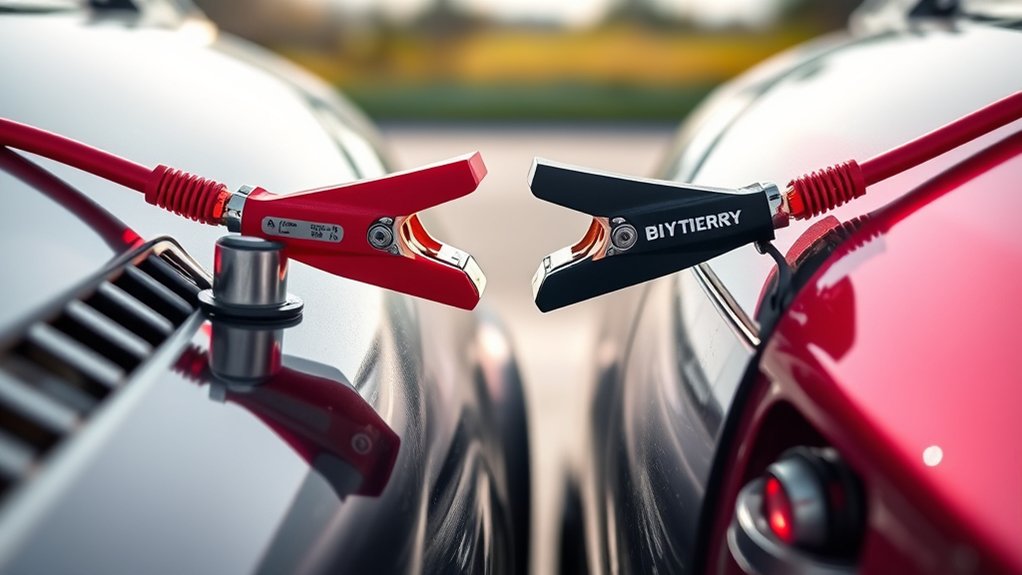
Connect the red clamp to the dead battery’s positive terminal, then attach the other red clamp to the donor battery’s positive terminal. Next, connect the black clamp to the donor battery’s negative terminal.
Attach the remaining black clamp to an unpainted metal surface on the dead car’s engine block. Start the donor car, then attempt to start the dead car.
After the dead car starts, disconnect the cables in the reverse order. Keep the engine running to ensure the battery charges. Follow these steps carefully to proceed safely and effectively.
Essential Tools and Safety Gear for Jump Starting a Car
To jump start a car safely and effectively, you’ll need a reliable set of jumper cables, protective gloves, and safety glasses. High-quality jumper cables prevent voltage drops that could cause irreversible damage to your vehicle’s electrical system.
Protective gloves shield your hands from sparks or accidental contact with battery acid, while safety glasses protect your eyes from potential debris. Avoid common jump start myths, such as thinking any cables will work or that safety gear is optional. These misconceptions increase risk.
Ensure cables have properly insulated clamps and thick gauge wires for optimal current flow. Inspect all tools before use to confirm they’re undamaged. By equipping yourself with precise tools and essential safety gear, you reduce hazards and safeguard both your vehicle and yourself during the jump start process.
How to Identify a Dead Car Battery
You can identify a dead car battery by checking for common signs like dim headlights, slow engine crank, or a swollen battery case. Use a multimeter to test the battery voltage; a reading below 12.4 volts typically indicates a weak or dead battery. Confirming these signs assures you know when to proceed with jump starting.
Common Dead Battery Signs
How can you tell if your car battery is dead before attempting a jump start? Recognizing common dead battery signs ensures you approach the jump starting process correctly and safely. Here are four key indicators:
- Engine Fails to Crank: When you turn the key, the engine doesn’t respond or turns over sluggishly.
- Dim or No Dashboard Lights: Dashboard lights may dim significantly or fail to illuminate.
- Clicking Sound: A rapid clicking noise when attempting to start signals insufficient battery power.
- Electrical Components Malfunction: Power windows, radio, or headlights operate weakly or not at all.
Identifying these signs allows you to confirm a dead battery and proceed with jump starting confidently.
Testing Battery Health
Recognizing dead battery signs gives you a preliminary indication, but testing battery health provides a definitive assessment. Use a multimeter to measure voltage; a healthy battery shows about 12.6 volts when fully charged. Avoid jump starting myths like repeatedly trying to start a dead battery without testing. It wastes time and risks damage.
If voltage is below 12.4 volts, consider charging or replacing the battery. Always handle the battery carefully and practice proper battery recycling to protect the environment.
| Test Method | Expected Result |
|---|---|
| Voltage Measurement | ≥12.6V (Good) |
| Load Test | Maintains voltage under load |
| Visual Inspection | No corrosion or leaks |
| Electrolyte Level | Adequate fluid level |
| Age Check | <3-5 years recommended |
When to Call a Professional Instead of Jump Starting
If your car has complex electrical issues or the battery fails repeatedly, you should call a professional instead of jump starting. Attempting to fix these problems without proper knowledge can cause further damage or safety hazards. Prioritize your safety by recognizing when expert assistance is necessary.
Complex Electrical Issues
Although jump starting a car can resolve many common battery issues, certain electrical problems require professional diagnosis and repair. Attempting to jump start a car with complex electrical faults might cause irreversible damage to the vehicle’s systems or worsen roadside aesthetics by creating unsafe conditions.
You should call a professional if you observe:
- Persistent dashboard warning lights that don’t reset after jump starting.
- Electrical components (lights, radio, power windows) behaving erratically or failing to operate.
- Unusual burning smells or visible smoke from the engine bay.
- Rapid battery drain or repeated inability to hold a charge.
In these cases, specialized equipment and expertise are essential to avoid further damage and ensure safe, effective repairs.
Repeated Battery Failures
How often have you found yourself needing to jump start the same car battery repeatedly? If this occurs, it signals an underlying issue beyond a simple dead battery.
Persistent failures often stem from battery degradation, faulty alternators, or parasitic drains. Problems jump starting won’t fix.
At this point, continuing to jump start becomes an irrelevant topic; it’s a stray consideration that risks further damage. Instead, call a professional technician who can perform diagnostic tests to identify the root cause accurately.
They’ll verify battery health, assess the charging system, and detect electrical faults. Addressing these issues promptly prevents being stranded and saves you time and money.
Don’t rely on jump starting as a permanent solution when repeated failures indicate a complex problem requiring expert intervention.
Safety Concerns and Risks
When should you avoid jump starting your car and call a professional instead? It’s crucial to recognize situations where DIY jump starting poses safety risks or may worsen the issue. Don’t get distracted by irrelevant topics or unrelated concerns. Focus strictly on technical criteria.
Consider these four scenarios:
- Damaged or leaking battery: Risk of explosion or acid burns.
- Electrical system faults: Could cause further damage or fire.
- Repeated battery failures: May indicate deeper mechanical problems.
- Unfamiliarity with jump starting procedure: Increases risk of incorrect connections.
In any of these cases, calling a professional ensures safety and proper diagnosis. Avoiding unnecessary risks prevents injury and costly repairs. Prioritize expert help over attempting jump starts when in doubt.
Preparing Both Cars for a Jump Start
Where should you position both vehicles before connecting the jumper cables? Park them close enough so the cables reach both batteries but avoid contact between the cars. Both engines must be off, and parking brakes engaged.
Open the hoods and locate the batteries, confirming they have the same voltage; using the wrong battery type can cause damage or failure. Inspect the batteries and terminals for corrosion or damage. Don’t proceed if you notice leaks or cracks.
Avoid using incompatible tools. Jumper cables designed for your vehicle’s battery specifications are essential. Remove any metal jewelry to prevent shorts.
Ensure both vehicles are in neutral or park and the headlights, radios, and accessories are turned off to prevent electrical surges. These steps set the foundation for a safe, effective jump start.
Connecting Jumper Cables Step-by-Step
Why should you connect jumper cables in a specific order? Proper sequencing ensures safety, prevents sparks, and protects your vehicle’s electrical system. These are key aspects of effective car maintenance and essential in road trip planning. Follow these steps precisely:
- Attach one red clamp to the positive (+) terminal of the dead battery.
- Connect the other red clamp to the positive (+) terminal of the good battery.
- Attach one black clamp to the negative (–) terminal of the good battery.
- Connect the remaining black clamp to an unpainted metal surface on the dead car’s engine block, away from the battery.
This sequence minimizes risks and maximizes current flow, setting the stage for a successful jump start. Always double-check clamp placement before proceeding.
Starting the Dead Car Once the Cables Are Connected
After securing the jumper cables in the correct order, you’re ready to start the dead car. First, ensure the booster vehicle’s engine is running at a moderate RPM to provide consistent voltage. Turn the ignition key of the dead car to the “start” position.
If the engine doesn’t crank immediately, wait 30 seconds before trying again to avoid draining the booster battery. Follow jump start basics by not over-cranking the engine. Limit attempts to three or four.
Once the dead car starts, keep both engines running for a few minutes to stabilize the electrical system and recharge the dead battery. Remember, if your battery requires frequent jump starts, consider battery resale or replacement options, as a failing battery can compromise vehicle reliability.
What to Do Immediately After Your Car Starts
How quickly you act once your car starts can impact the success of the jump start. Immediately follow these steps to ensure proper battery maintenance and observe roadside etiquette:
- Keep the engine running to stabilize the electrical system and prevent battery depletion.
- Disconnect the jumper cables in reverse order of connection, avoiding contact between clamps to prevent sparks.
- Store the cables safely in your vehicle to maintain readiness for future roadside assistance.
- Signal gratitude to your helper, maintaining courteous roadside etiquette.
How Long to Keep Your Engine Running After a Jump Start
When should you keep your engine running following a jump start? After successfully jump starting your car, keep the engine running for at least 20 to 30 minutes. This duration allows the alternator to recharge the battery adequately, addressing the jump start logistics efficiently.
Avoid shutting off the engine immediately; doing so risks a second dead battery. During this time, monitor the battery for signs of battery swelling or overheating, which indicate internal damage and possible failure. If you observe swelling, turn off the engine and seek professional assistance promptly.
Additionally, maintaining a steady engine speed, around 1500 RPM, helps optimize charging without overworking the alternator. Following these steps ensures your battery regains sufficient charge and reduces the risk of further electrical issues after a jump start.
Common Jumper Cable Mistakes to Avoid
You need to connect the jumper cables in the correct order to prevent electrical damage. Don’t skip essential safety steps like wearing gloves and ensuring both vehicles are off before attaching cables. Ignoring these precautions increases the risk of sparks, injury, or damaging either battery.
Incorrect Cable Connections
Why do incorrect cable connections cause so many jump-start failures? Because mixing up the positive and negative terminals disrupts the electrical flow, leading to no power transfer or damage. Avoid treating the process like an irrelevant topic or unrelated concept; precision matters.
Follow these critical steps when connecting jumper cables:
- Attach the red clamp to the positive (+) terminal of the dead battery first.
- Connect the other red clamp to the positive terminal of the donor battery.
- Attach the black clamp to the negative (-) terminal of the donor battery.
- Finally, connect the other black clamp to an unpainted metal surface on the disabled car’s engine block, not the negative terminal.
This sequence ensures proper current flow and prevents sparks or short circuits.
Ignoring Safety Precautions
How exactly can ignoring safety precautions turn a simple jump start into a hazardous situation? When you skip essential safety steps, you expose yourself to unsafe practices that can lead to serious injuries or vehicle damage.
Always ensure both vehicles are off before connecting cables to prevent electrical surges. Avoid placing cables near moving engine parts, which could cause damage or disconnections.
Never touch the metal clamps together once attached, as this can create sparks and short circuits. Verify cable polarity carefully; reversing connections risks frying electrical components.
Additionally, avoid jump-starting a frozen battery, as it may explode. By following precise safety protocols, you minimize risks and protect both yourself and your vehicles from avoidable damage during the jump-start process.
Jump Starting Safety Tips to Prevent Accidents
Where should you begin to ensure safety when jump starting a car? First, avoid any unrelated topic or off topic discussion that distracts from the task. Stay focused and follow these key steps:
- Ensure both vehicles are off, keys removed, and parked with brakes engaged.
- Wear protective gloves and eye protection to prevent injury from sparks or acid.
- Connect jumper cables in the correct sequence: positive to positive, then negative to a grounded metal surface on the dead car.
- Keep cables clear of moving engine parts and avoid touching clamps together once connected.
Frequently Asked Questions
Can You Jump Start a Car in Cold Weather?
Jump starting a car in cold weather is like waking a bear from hibernation. It is possible but needs care. You must follow jump start safety strictly to avoid sparks or damage, ensuring cables connect properly and engines stay off until ready.
Will Jump Starting Damage My Car’s Electronics?
You won’t damage your car’s electronics if you follow proper jump starting risks protocols. Ensure both vehicles have electrical protection features, connect cables correctly, and avoid sparks to protect sensitive components during the jump start process.
How Often Can You Safely Jump Start a Battery?
You can safely jump start a battery a few times, but avoid frequent attempts to prevent damage. If neon signs flicker during jump starts or issues persist, call roadside assistance for professional help to protect your vehicle’s electronics.
Can You Jump Start a Hybrid or Electric Vehicle?
Though you might jump start a hybrid with caution, prioritize hybrid safety by consulting your manual. For BEV limitations, avoid jump starting altogether. High-voltage systems require specialized procedures to prevent damage or injury.
What Are Alternatives to Jumper Cables for Jump Starting?
You can use a portable jump starter or battery booster pack as alternative methods. Always follow safety considerations: guarantee correct polarity, avoid sparks, and read manufacturer instructions carefully to prevent damage or personal injury during jump starting.