What Should Coolant Temp Be
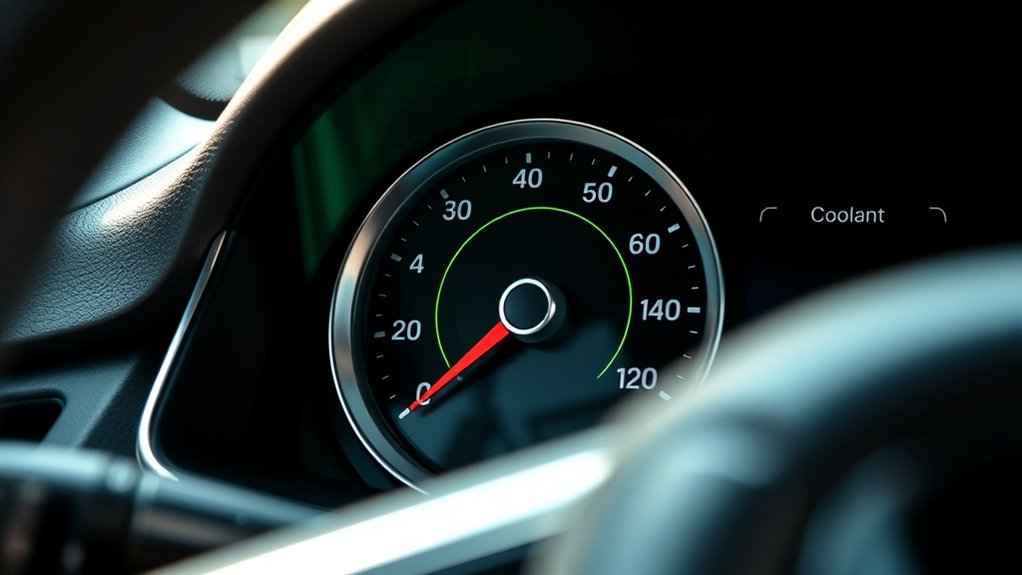
Your car’s coolant temperature should stay between 195°F and 220°F (90°C to 105°C) to maintain engine efficiency and avoid overheating. This range is crucial for what should coolant temp be to ensure your engine runs smoothly. Keeping coolant at this range ensures optimal heat transfer and prevents thermal damage.
Make sure your coolant level is correct and the thermostat works properly to regulate flow. Monitoring temperature with a digital tool while the engine is cool helps you spot issues early.
Understanding these basics will help you protect your engine’s longevity and performance. Regular checks can prevent costly repairs and keep your vehicle running at its best.
Ideal Coolant Temperature for Most Cars
What temperature should you expect your car’s coolant to maintain during normal operation? Typically, the ideal coolant temperature ranges between 195°F and 220°F (90°C to 105°C). This range guarantees optimal engine efficiency and prevents overheating.
You must maintain the correct coolant level to support consistent heat transfer and avoid air pockets that disrupt temperature regulation. The thermostat function plays a crucial role by controlling coolant flow based on temperature.
When the engine reaches the set threshold, the thermostat opens, allowing coolant circulation through the radiator to dissipate heat. If it fails to operate correctly, the engine may overheat or run too cool, compromising performance and increasing wear.
Monitoring and maintaining these parameters ensures your vehicle operates within its designed thermal limits.
How to Monitor Your Coolant Temperature Safely
How can you accurately monitor your coolant temperature without risking injury or damage? Prioritizing coolant safety is essential when assessing engine conditions. Use reliable tools and methods designed for precise temperature monitoring to avoid hazardous exposure to hot fluids or steam.
- Employ a digital thermometer or an OBD-II scanner with coolant temp sensors for real-time data.
- Only check coolant levels and temperature when the engine is cool to prevent burns.
- Inspect the radiator cap carefully; replace it if damaged to maintain system pressure and safety.
- Use insulated gloves and protective eyewear when accessing engine components.
- Avoid opening the radiator cap while the engine runs or is hot to prevent scalding.
Signs Your Coolant Temperature Is Too High or Low
Why does your engine’s performance suddenly falter or your dashboard warning lights illuminate? These symptoms often signal that your coolant temperature is too high or too low.
High coolant temperature typically results from thermostat failures, which prevent proper coolant flow, causing the engine to overheat. Conversely, an abnormally low coolant temperature might indicate a stuck-open thermostat, leading to inefficient engine warming.
Understanding these signs is crucial, as many coolant myths incorrectly suggest overheating is the sole concern. Pay attention to inconsistent temperature gauge readings, poor heater performance, or unusual engine noises.
Addressing these indicators promptly can prevent more severe damage. By analyzing these symptoms, you’ll better diagnose whether your cooling system malfunctions stem from thermostat failures or other issues affecting coolant temperature.
Why Keeping Your Coolant Temperature Just Right Protects Your Engine
Maintaining your coolant temperature within the ideal range ensures your engine operates efficiently and avoids thermal stress. When you keep the temperature stable, you optimize coolant efficiency, allowing it to absorb and dissipate heat effectively.
This balance prevents engine components from overheating or experiencing cold stress, which can cause wear or failure.
Key benefits of precise coolant temperature control include:
- Reducing thermal expansion and contraction, which protects seals and gaskets
- Enhancing combustion efficiency by maintaining optimal engine temperature
- Preventing coolant breakdown and corrosion within the cooling system
- Minimizing the risk of engine knocking and pre-ignition
- Prolonging the lifespan of critical engine parts through consistent temperature stability
Easy Tips to Keep Your Coolant Temperature in the Ideal Range
Keeping your coolant temperature within the ideal range requires proactive measures and regular attention to your vehicle’s cooling system. Start by routinely inspecting coolant levels and topping off with the manufacturer-recommended mixture to ensure optimal heat transfer.
Regular coolant maintenance, including flushing and replacing old coolant, prevents corrosion and sediment buildup that can impair flow and temperature regulation. Monitor temperature gauges closely during operation; fluctuations or readings outside the normal range indicate potential issues requiring immediate diagnosis.
Additionally, verify the radiator cap integrity and thermostat function, as failures here disrupt pressure and temperature control. Maintaining clean, unobstructed radiator fins enhances heat dissipation.
Frequently Asked Questions
Can Coolant Temperature Affect My Car’s Fuel Efficiency?
You might think coolant temperature doesn’t impact fuel, but it does. If your temp sensor accuracy falters, coolant efficiency drops, causing the engine to run rich and waste fuel.
Keep sensors precise to optimize mileage.
What Type of Coolant Is Best for Extreme Weather Conditions?
You should use an ethylene glycol-based coolant type with corrosion inhibitors for extreme weather. It maintains best thermal stability, prevents freezing, and avoids overheating, ensuring your engine operates efficiently under harsh temperature fluctuations.
How Often Should I Replace My Vehicle’s Coolant?
Like clockwork, you should replace your coolant every 2-5 years or 30,000-60,000 miles to ensure optimal system cooling.
Proper coolant maintenance prevents corrosion, overheating, and ensures your engine’s longevity and efficiency.
Can a Faulty Thermostat Cause Incorrect Coolant Temperature Readings?
Yes, a faulty thermostat can cause incorrect readings by disrupting coolant flow, leading to coolant temperature false readings.
Thermostat failure prevents accurate temperature regulation, confusing sensors and causing your gauge to display misleading engine temperature data.
Is It Safe to Add Water Instead of Coolant in an Emergency?
In an emergency, water acts like a temporary lifeline, but it’s not a perfect coolant alternative. You can add emergency water to prevent overheating, yet you must replace it with proper coolant soon for ideal engine protection.