Why Is My Coolant Boiling
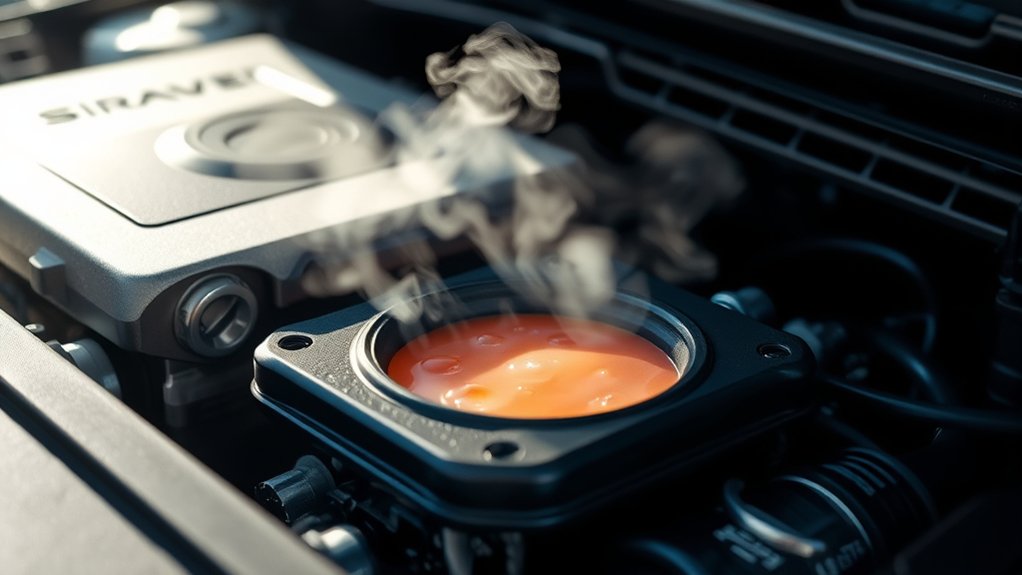
Your coolant is boiling because your engine’s cooling system isn’t effectively dissipating heat. This can stem from coolant loss, trapped air pockets, or a faulty thermostat stuck closed, which prevents proper circulation.
Radiator blockages, leaks, or a malfunctioning fan can further impair cooling. A blown head gasket, allowing combustion gases into the coolant, also raises pressure and temperature.
These issues demand prompt attention to avoid engine damage. Understanding the exact cause helps you tackle the problem efficiently.
Causes of Boiling Coolant in Your Engine
Why does your engine’s coolant boil despite a functioning cooling system? Boiling occurs when the coolant’s temperature exceeds its boiling point, signaling a breakdown in effective engine cooling and temperature management.
Coolant boils when its temperature surpasses the boiling point, indicating cooling system failure.
Several factors can cause this. First, a loss of coolant reduces the system’s capacity to absorb and dissipate heat. Second, air pockets trapped in the cooling system can create hot spots where coolant rapidly boils.
Third, a compromised radiator or water pump diminishes coolant circulation, impairing heat transfer. Fourth, excessive engine load or external conditions may overwhelm the cooling system’s capability.
Each of these issues disrupts the delicate balance required to maintain optimal temperature, leading to coolant boiling despite an ostensibly operating cooling system. Identifying the precise cause allows targeted corrective actions, restoring proper temperature management and engine performance.
How a Faulty Thermostat Causes Boiling Coolant
When your cooling system components like the radiator and water pump function correctly, the thermostat plays a pivotal role in regulating coolant flow and engine temperature. Thermostat failure disrupts this balance, causing coolant to either overheat or fail to circulate properly.
A stuck-closed thermostat prevents coolant from reaching the radiator, leading to excessive heat buildup and boiling coolant. Conversely, a stuck-open thermostat can cause engine inefficiency but rarely results in boiling.
Key impacts of thermostat failure include:
- Elevated pressure in the cooling system due to trapped hot coolant
- Increased risk of cooling system leaks as seals and hoses weaken
- Rapid temperature fluctuations stressing engine components
Understanding these dynamics helps you diagnose boiling coolant linked directly to thermostat failure, ensuring timely repairs and preventing engine damage.
Why Radiator Problems Cause Coolant to Boil
How does a malfunctioning radiator lead to boiling coolant? When your radiator’s efficiency drops due to blockages, leaks, or corrosion, it can’t dissipate heat effectively. This causes the coolant temperature to rise beyond its boiling point, resulting in boiling coolant.
Additionally, misleading coolant readings from sensor errors or air pockets can mask the true overheating condition, delaying your response.
| Radiator Issue | Effect on Cooling System |
|---|---|
| Blockages | Reduced coolant flow, heat buildup |
| Leaks | Loss of coolant, pressure drop |
| Corrosion | Impaired heat transfer |
| Faulty fan | Decreased airflow, higher temps |
| Misleading coolant | Inaccurate temp readings, delayed detection |
Maintaining radiator efficiency is critical to prevent overheating and boiling coolant.
How a Blown Head Gasket Causes Boiling Coolant?
A malfunctioning radiator isn’t the only component that can trigger your coolant to boil; a blown head gasket can have a similarly severe impact on your cooling system. When the gasket fails, it compromises the seal between the engine block and cylinder head, causing combustion gases to enter the cooling system. This intrusion raises pressure and temperature beyond normal operating limits.
Key effects of a blown gasket include:
- Introduction of exhaust gases into coolant, increasing system pressure and boiling point.
- Cooling system leaks that reduce coolant volume and impair heat dissipation.
- Contamination of coolant with oil or combustion byproducts, degrading thermal efficiency.
Understanding these mechanisms helps you diagnose why your coolant boils despite an apparently functional radiator, pinpointing the need to inspect for a blown gasket and associated cooling system leaks.
Fix Boiling Coolant Before Engine Damage
Why act quickly to fix boiling coolant? You must prevent severe engine damage caused by overheating. Boiling coolant signals inefficient heat dissipation, potentially due to issues like a failing cold air intake or abnormal exhaust noise, which can indicate engine stress.
Address these signs immediately by inspecting the cooling system, checking coolant levels, and verifying radiator functionality.
| Symptom | Possible Cause | Recommended Action |
|---|---|---|
| Boiling Coolant | Radiator blockage | Flush radiator, replace coolant |
| Excessive Exhaust Noise | Engine misfire or gasket failure | Diagnose exhaust system, check head gasket |
| Reduced Cold Air Intake Efficiency | Air filter clog or duct damage | Clean or replace air intake components |
Timely intervention minimizes costly repairs and maintains engine efficiency.
Frequently Asked Questions
Can Boiling Coolant Damage the Heater Core?
Yes, boiling coolant can cause heater core damage by creating excessive pressure buildup within the cooling system. This pressure stresses the heater core’s delicate tubes, potentially leading to leaks, corrosion, and ultimately, system failure if not addressed promptly.
Is It Safe to Drive With Boiling Coolant?
You shouldn’t drive with boiling coolant; it indicates overheating, risking engine damage. Identify principle causes like low coolant or thermostat failure.
Follow maintenance tips: check levels, inspect hoses, and flush the system regularly to prevent issues.
How Does Coolant Boiling Affect Fuel Efficiency?
When coolant boiling causes overheating, your engine loses power and efficiency. You’ll waste fuel as combustion becomes less effective, and you’ll face increased emissions.
Maintaining proper coolant temperature preserves fuel efficiency and engine performance consistently.
Can Low Coolant Levels Cause Boiling?
Yes, low coolant levels reduce system pressure, causing low pressure conditions. This prevents the radiator cap from maintaining proper pressure, lowering the boiling point.
As a result, your coolant can boil faster under normal engine temperatures.
What Type of Coolant Prevents Boiling Best?
You should use coolant blends with high boiling points and corrosion inhibitors to minimize boiling risks. These blends improve heat transfer and pressure tolerance, helping your engine maintain optimal temperature under extreme conditions without overheating or boiling.