When to Change to Front Facing Car Seat
You should keep your child rear-facing until they reach your car seat’s maximum weight or height limits and are at least two years old.
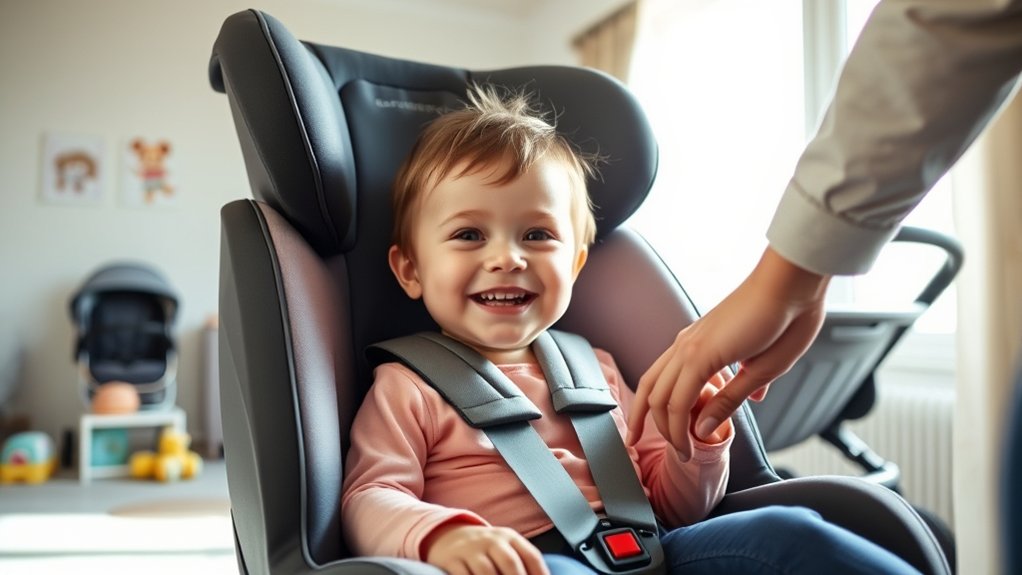
When deciding when to change to a front-facing car seat, check the car seat manual for exact requirements and ensure your child can sit upright with good head and neck control.
Switching too early risks injury; waiting too long may cause discomfort. When ready, install the front-facing seat properly for safety and comfort.
There’s more to know about timing, installation, and common mistakes ahead.
When Is It Safe to Switch to a Front-Facing Car Seat?
When can you safely switch your child to a front-facing car seat? The key is to ensure your child meets both age appropriate and weight based criteria specified by the car seat manufacturer and safety guidelines.
Typically, children should remain in a rear-facing seat until they reach the maximum weight or height limit allowed by their current seat. This approach provides optimal protection for their developing neck and spine.
Once your child surpasses these rear-facing limits and is at least the minimum age recommended, usually around 2 years old, you can consider transitioning to a front-facing car seat.
Always check the car seat’s manual carefully to confirm the exact weight based and age appropriate requirements before making the switch. Prioritizing these guidelines keeps your child safe on every trip.
Using Your Child’s Age and Weight to Decide When to Switch
How do you determine the right moment to switch your child to a front-facing car seat? Focus on both age appropriate and weight based guidelines to make a safe decision.
Most experts recommend waiting until your child is at least 2 years old, but weight is equally important. Follow these steps:
Most experts advise waiting until your child is at least 2 years old before switching to a front-facing seat.
- Check your car seat’s manual for specific weight limits.
- Ensure your child exceeds the rear-facing weight maximum, usually around 40 pounds.
- Confirm your child has reached the minimum age recommended by safety experts, typically 2 years.
- Consider your child’s physical development and comfort in the seat.
Why Your Child’s Height Matters for Front-Facing Seats
Your child’s height plays a crucial role in determining when to switch to a front-facing car seat because manufacturers set specific height limits for safe use. Being the right height ensures the seat harness fits properly and provides maximum protection during a crash. To make the right decision, you should measure your child’s height accurately and compare it to the seat’s requirements.
Height Requirements Explained
Why does height play such an essential role in deciding when to switch to a front-facing car seat? Your child’s height ensures the car seat fits properly, maximizing safety. When discussing rear facing advantages, it’s clear that longer use protects the child’s head and neck.
However, once your child reaches certain height limits, you need to evaluate seat belt usage to ensure proper restraint.
Here’s what to consider for height requirements:
- Check the car seat manufacturer’s maximum rear-facing height limit.
- Confirm your child’s head doesn’t extend beyond the top of the seat.
- Ensure the harness fits snugly at or above shoulder level.
- Verify the seat belt routes correctly for front-facing mode.
Following these guidelines helps you make an informed, safe transition.
Safety Impact Of Height
When should you consider your child’s height as a critical factor for front-facing car seat safety? Your child’s height directly affects how well the harness fits and protects them. If your child is too small, the harness straps may sit improperly, reducing protection during a crash.
Conversely, if your child is too tall, the seat’s design might not accommodate them safely, leading to compromised restraint. Focusing on irrelevant safety aspects, like decorative accessories or non-essential features, can distract from these core concerns.
Avoid adding anything that alters the harness or seat structure, as such modifications can undermine safety. Prioritize your child’s actual height over aesthetics or convenience to ensure the car seat offers maximum protection in every ride.
Measuring Child’s Height
Although many parents focus on weight limits, measuring your child’s height is equally essential for front-facing car seat safety. Proper measurement ensures the car seat fits your child’s current size, accommodating their child growth and maintaining optimal seating ergonomics.
Here’s why height matters:
- It determines if your child’s head stays within the car seat’s protective shell.
- It ensures the harness fits correctly, preventing injury during sudden stops.
- It helps assess if your child should still use a forward-facing seat or transition to a booster.
- It guarantees the seat belt aligns properly across the chest and hips.
Regularly tracking your child’s height ensures you provide the safest, most ergonomic seating arrangement as they grow. Don’t rely solely on weight; height is a crucial safety factor.
What Your Car Seat’s Weight and Height Limits Mean for Switching
How do your car seat’s weight and height limits affect the right time to switch to a front-facing seat? You need to check your car seat’s manual carefully. Each seat has specific weight limits and height restrictions that determine when it’s safe to transition.
Ignoring these can compromise your child’s safety. Here’s a quick reference to common limits:
| Car Seat Type | Weight Limits (lbs) | Height Limits (inches) |
|---|---|---|
| Rear-facing | 5 – 40 | Up to 40 |
| Front-facing | 20 – 65 | Up to 49 |
| Booster Seat | 40 – 100 | 43 – 57 |
Always make sure your child fits within these limits before switching to front facing. Stay within the guidelines to maximize protection.
Physical and Behavioral Signs Your Child Is Ready for a Front-Facing Seat
You’ll know your child is ready for a front-facing seat when they meet key growth milestones, like reaching the appropriate height and weight. Watch for behavioral signs too, such as sitting still and following directions during the ride. These physical and behavioral cues guarantee your child’s safety and comfort when making the switch.
Growth Milestones
When can you tell if your child is ready to shift to a front-facing car seat? Growth milestones provide clear indicators to guide your transition timing. Before making car seat adjustments, ensure your child meets these physical benchmarks:
- Height and Weight: Your child must meet the minimum height and weight limits specified by the car seat manufacturer.
- Head Control: They should have stable head and neck control to safely support their head without slumping.
- Sitting Ability: Your child must sit upright unassisted for extended periods.
- Body Proportions: Their shoulders should be above the rear-facing harness but fit within the front-facing seat’s harness range.
Monitoring these milestones helps ensure your child’s safety and comfort as you switch to a front-facing car seat.
Behavioral Readiness
Why does your child’s behavior matter before switching to a front-facing car seat? Behavioral readiness is vital for a safe transition. When your child can sit upright unsupported for the entire trip and follow simple instructions, they demonstrate physical and cognitive maturity needed for front-facing seats.
Look for signs like the ability to hold their head steady and sit still without slouching. These behavioral cues ensure the harness fits correctly and protects them as intended. Ignoring these signs could compromise safety.
When exploring topic ideas about readiness, focus on your child’s ability to cooperate and their comfort in the seat. Evaluating behavioral readiness, alongside growth milestones, helps you make an informed decision, ensuring your child’s safety and comfort during every ride.
Risks of Switching Too Soon or Waiting Too Long
How do you know if the timing is right to switch your child to a front-facing car seat? Conducting a thorough risk assessment and ensuring caregiver preparation are essential to avoid dangers linked to switching too soon or waiting too long.
Changing too early can expose your child to increased injury risk due to insufficient neck strength, while delaying the switch might cause discomfort or improper use of the rear-facing seat.
Switching too early risks injury from weak neck muscles; waiting too long may lead to discomfort or misuse.
Here are four key risks to consider:
- Neck and spinal injuries from premature switching
- Reduced safety from improper seat fit or usage
- Behavioral issues due to discomfort or restriction
- Increased caregiver stress from managing an ill-fitting seat
Balancing these risks ensures your child’s safety and comfort during the transition.
How to Install a Front-Facing Car Seat Correctly
Ensuring your child’s safety goes beyond choosing the right moment to switch to a front-facing car seat; proper installation plays a crucial role in protecting them during every trip. Start by securely attaching the seat using either the vehicle’s seat belt or the LATCH system, ensuring no slack remains.
Next, adjust the harness so it fits snugly at or above your child’s shoulders, preventing excessive movement. Lastly, double-check seat adjustments and installation tightness before each journey to maximize child safety.
| Step | Action | Purpose |
|---|---|---|
| Secure Attachment | Use seat belt or LATCH system | Prevent movement |
| Harness Position | At/above shoulders | Proper restraint |
| Tighten Harness | Snug fit | Minimize injury risk |
| Seat Angle | Upright | Support head/neck |
| Final Check | Test stability | Confirm safety |
Tips for Keeping Your Child Comfortable and Secure in a Front-Facing Seat
Although safety is the top priority, keeping your child comfortable in a front-facing car seat helps them stay calm and secure throughout the ride. Here are four tips to achieve this:
- Adjust the harness snugly but comfortably. Ensure it’s tight enough for safety without causing discomfort.
- Use soft, breathable padding to prevent irritation and keep your child cool.
- Bring along familiar toys or books to distract from unrelated topics or random chatter that might cause restlessness.
- Position the seat so your child has a clear view out the window, reducing anxiety and promoting engagement.
Common Mistakes When Switching to a Front-Facing Car Seat
What are some pitfalls parents often encounter when switching to a front-facing car seat? One common mistake is rushing the transition without checking weight and height limits. Another is not securing the harness tightly, risking safety.
Sometimes, parents engage in irrelevant discussion or make an off topic swap about seat brands instead of focusing on proper installation. Avoid these errors by staying focused and informed.
| Mistake | Why It Matters |
|---|---|
| Ignoring weight/height limits | Compromises child safety |
| Loose harness | Increases injury risk |
| Off topic swap on brands | Distracts from correct installation |
| Irrelevant discussion | Wastes time, delays proper setup |
Stay focused to ensure your child’s safety during this important change.
Frequently Asked Questions
Can a Front-Facing Car Seat Be Used on an Airplane?
Yes, you can use a front facing car seat on an airplane if it has front facing compatibility approved by the FAA. Always check airline policies to ensure your front facing airplane seat meets safety standards before traveling.
How Do Front-Facing Car Seats Differ Between Car Models?
Nearly 60% of front-facing differences stem from car model compatibility. You’ll notice variations in seat belt positioning, anchor points, and space.
Always check your car’s manual to ensure the front-facing seat fits securely and safely.
Are All Front-Facing Car Seats Compatible With LATCH Systems?
Not all front-facing car seats offer full front-facing compatibility with LATCH systems. You’ll want to check LATCH limitations carefully, as some seats require using the vehicle seat belt instead for a secure installation.
Can Front-Facing Car Seats Be Used for Children With Special Needs?
You might worry front-facing seats won’t suit special needs, but many accommodate them well. Just check special needs considerations and weight capacity constraints to ensure safety.
Always follow manufacturer guidelines for proper use and fit.
How Long Do Front-Facing Car Seats Typically Last Before Expiration?
Front-facing car seats typically reach front facing expiration about six years after manufacture.
You shouldn’t use expired seats on airplanes either, as safety standards change and materials degrade, reducing crash protection over time.