What Is a Convertible Car Seat
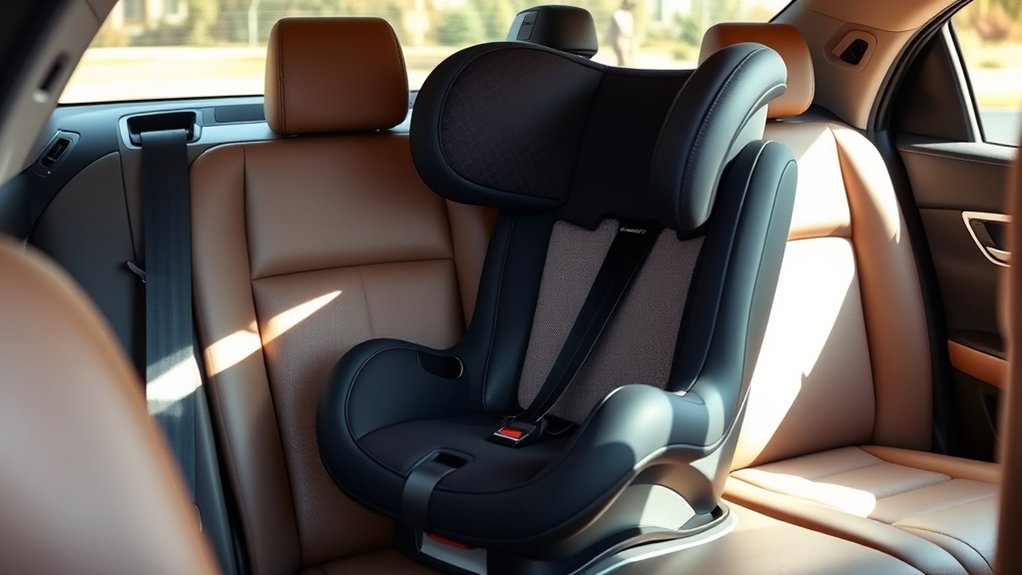
A convertible car seat is designed to grow with your child, switching from rear-facing for infants to forward-facing as they get bigger. This versatile seat offers long-term safety by adapting to your child’s size and developmental stage, with adjustable harnesses and energy-absorbing materials.
While it is heavier than infant-only seats, a convertible car seat saves space and money by replacing multiple seats. It meets strict safety standards to protect your child on every ride.
Keep exploring to uncover key features and learn how to use it properly for maximum safety and comfort.
What Is a Convertible Car Seat and How Does It Work?
What exactly is a convertible car seat, and how does it work to keep your child safe? A convertible car seat is designed to grow with your child, transforming from rear-facing to forward-facing as they get older.
This dual functionality enhances child safety by providing optimal protection during different stages of development. Understanding the car seat history helps you appreciate its evolution, from simple restraints to sophisticated designs that absorb crash forces and secure your child effectively.
Convertible seats use harness systems and energy-absorbing materials to reduce injury risks in collisions. By choosing a convertible car seat, you invest in a reliable, adaptable safety device that meets rigorous safety standards, ensuring your child stays protected during every ride.
When Should You Use a Rear-Facing Convertible Car Seat?
You should keep your child in a rear-facing convertible car seat from birth until at least age two or until they reach the seat’s height and weight limits. Rear-facing seats offer the best protection for your child’s head, neck, and spine in a crash. Knowing when to transition helps ensure you’re maximizing safety without moving your child too soon.
Recommended Age Range
When should your child switch to a rear-facing convertible car seat? Most experts recommend keeping your child rear-facing until at least age 2, but many children can safely remain rear-facing up to 3 or 4 years old, depending on their size.
Just like textbooks update with new information and fashion trends evolve, car seat guidelines improve as research advances. You’ll want to follow the latest recommendations rather than outdated rules.
Rear-facing seats typically accommodate children from about 5 pounds up to 40 pounds, but always check your specific model’s limits. The key is to keep your child rear-facing as long as possible within the seat’s height and weight limits, ensuring maximum protection during those early, essential years.
Safety Benefits Explained
Keeping your child rear-facing as long as their convertible car seat allows offers significant safety advantages. This seating orientation provides better support for your child’s head, neck, and spine during sudden stops or collisions, reducing injury risk.
Rear-facing seats also act as a cushion, distributing crash forces more evenly across the body. Besides safety, this seating position can aid in distraction prevention; your child faces you, making it easier to monitor and soothe them during the ride.
Many experts recommend using the rear-facing mode until your child reaches the car seat’s maximum height or weight limit. By doing so, you maximize protection during those critical early years, ensuring you’re following best practices without rushing the transition to forward-facing prematurely.
Transition Guidelines
How do you know the right time to switch your child from rear-facing to forward-facing in a convertible car seat? The key is to follow safety logistics rather than consumer myths suggesting an early transition.
Experts recommend keeping your child rear-facing as long as possible, typically until they reach the seat’s height or weight limit for that position. This setup better protects your child’s head, neck, and spine during a crash.
Don’t rush to turn the seat forward just because your toddler seems uncomfortable or eager to face forward. Instead, check the car seat manual for specific limits and ensure you’re meeting recommended guidelines.
Prioritizing these safety logistics over popular but inaccurate beliefs helps keep your child safer on every trip.
When to Switch Convertible Car Seats to Forward-Facing?
You should switch your convertible car seat to forward-facing once your child meets the age and weight guidelines set by the manufacturer. Safety experts recommend keeping your child rear-facing as long as possible, usually until at least age 2 or the maximum rear-facing weight limit. Following these guidelines helps assure your child stays protected during travel.
Age And Weight Guidelines
When should you switch your child’s convertible car seat from rear-facing to forward-facing? You should follow specific age guidelines and weight guidelines to ensure proper use. Most experts recommend keeping your child rear-facing until at least 2 years old, but some convertible seats allow rear-facing up to 40 pounds.
Check the car seat’s manual for exact weight limits.
Keep these points in mind:
- Follow the minimum age guidelines, usually around 2 years old.
- Ensure your child exceeds the rear-facing weight limit before switching.
- Confirm the car seat’s forward-facing weight and height limits for safety.
Safety Recommendations
Why is it essential to follow safety recommendations before switching your child’s convertible car seat to forward-facing? Doing so ensures your child’s protection during travel and supports proper childproofing and toddlerproofing efforts.
Typically, you should keep your child rear-facing until they reach the maximum height or weight limit allowed by the car seat manufacturer. Rear-facing seats better absorb crash forces, reducing injury risk. When your child exceeds these limits, it’s time to switch to forward-facing.
Always check your car seat manual and your state’s laws for specific guidelines. Proper installation and harness adjustment are critical for safety.
Following these recommendations helps you protect your toddler while maintaining effective childproofing, giving you peace of mind as your little one grows and explores safely.
What to Look for in a Convertible Car Seat: Key Features
How do you choose the right convertible car seat for your child’s safety and comfort? Focus on key features that balance practicality and style, ensuring your child’s well-being without sacrificing car seat fashion. Plus, consider car seat nutrition, materials that are non-toxic and breathable for your child’s health.
Look for these essentials:
- Adjustable harness and headrest: Grows with your child for prolonged use and proper fit.
- Easy installation: Check for LATCH compatibility and clear instructions to secure the seat correctly.
- Removable, washable covers: Keeps the seat clean and fresh, blending car seat nutrition with comfort.
Safety Benefits of Convertible Car Seats
Safety stands at the core of every convertible car seat design, offering protection that adapts as your child grows. Unlike non child topics or unrelated safety concerns, these seats focus solely on your child’s well-being by providing adjustable harnesses and multiple recline positions to ensure proper fit and support.
Convertible car seats meet rigorous crash-test standards and often include side-impact protection, minimizing injury risks during a collision. By switching from rear-facing to forward-facing modes, you maintain the highest safety levels appropriate for your child’s age and size without needing different seats.
This adaptability not only keeps your child secure but also simplifies compliance with safety guidelines, giving you peace of mind while prioritizing their protection on every journey.
Convertible vs. Infant-Only Car Seats: Which Is Better?
Choosing between a convertible car seat and an infant-only car seat can feel overwhelming, but understanding their key differences helps you make the best choice for your child’s needs. Infant-only seats are designed for newborns, offering portability and compatibility with travel accessories like strollers, aligning with current car seat trends favoring convenience.
Deciding between convertible and infant-only car seats is easier when you understand their unique benefits and fit for your lifestyle.
Convertible seats grow with your child, switching from rear to forward-facing, providing long-term use and excellent value.
Consider these points when deciding:
- Infant-only seats are lightweight and easy to move between vehicles.
- Convertible seats save space and money by adapting as your child grows.
- Travel accessories often fit better with infant seats, enhancing on-the-go ease.
Your choice depends on lifestyle, budget, and how long you want the seat to last.
How to Install and Adjust Your Convertible Car Seat
Once you’ve decided that a convertible car seat fits your child’s needs, the next step is installing and adjusting it properly to guarantee maximum protection. Start by reading both your car seat manual and your vehicle’s owner manual to understand the specific car seat logistics for your setup.
Position the seat tightly using the seat belt or LATCH system, ensuring it doesn’t move more than an inch side to side or front to back. Don’t fall for installation myths like needing to tighten the straps excessively or assuming all seats fit all cars the same.
Adjust the harness height so it’s at or just below your child’s shoulders for rear-facing, or at or above for forward-facing. Proper installation and adjustment ensure safety on every ride.
How Long Can Your Child Use a Convertible Car Seat?
How long can your child safely stay in a convertible car seat? Generally, your child can use it from infancy until they outgrow its height or weight limits, typically around 65 pounds or 49 inches tall. Ensuring child safety means regularly checking the car seat’s labels and manufacturer guidelines.
Keep these tips in mind:
- Transition from rear-facing to forward-facing only when your child meets the seat’s minimum requirements.
- Monitor your child’s growth and switch to a booster seat once they exceed the convertible seat’s limits.
- Maintain your car seat properly by cleaning it according to instructions and inspecting it during routine car maintenance to ensure no damage affects safety.
Following these steps will help you keep your child safe and make the most of your convertible car seat.
Common Mistakes to Avoid With Convertible Car Seats
What common errors should you watch out for when using a convertible car seat? One of the most frequent mistakes is switching your child to forward-facing too soon. Always follow the rear facing guidelines, which recommend keeping your child rear-facing as long as possible for maximum safety.
Another common mistake is improper installation. Make sure the seat is tightly secured with either the seat belt or LATCH system. Avoid loose harness straps; they should be snug and positioned at or below your child’s shoulders when rear-facing.
Don’t use a car seat that’s expired or damaged, as it may not offer adequate protection. Finally, double-check that the recline angle is correct to keep your child’s airway open. Being mindful of these common mistakes ensures your convertible car seat protects your child effectively.
Frequently Asked Questions
Can Convertible Car Seats Fit in All Vehicle Types?
You won’t find every convertible car seat fits all vehicle types due to vehicle sizing and compatibility. Always check your car’s manual and the seat’s specifications to ensure proper convertibility compatibility before installation.
Are Convertible Car Seats Compatible With Airplane Travel?
Imagine fitting a puzzle piece perfectly. That’s how convertible car seats airplane compatibility works. They often fit well, even with third row seating fit challenges.
Always check airline rules to guarantee safe, hassle-free travel with your child.
How Do Convertible Car Seats Affect Car Insurance Rates?
Using a convertible car seat doesn’t directly affect how insurance premiums are calculated. However, maintaining proper liability coverage while safely transporting kids might indirectly influence your rates, since safer habits can lower your overall risk profile.
Can Convertible Car Seats Be Used for Children With Special Needs?
Like a key fitting a lock, convertible car seats can offer special needs compatibility through thoughtful accessibility design. You’ll find many models adapt to provide safe, comfortable rides tailored to your child’s unique requirements.
What Materials Are Convertible Car Seats Typically Made From?
Convertible car seats typically use materials like durable plastics, steel frames, and impact-absorbing foam. Manufacturing processes focus on safety and comfort, combining these materials for strength, flexibility, and cushioning in the seat’s design and structure.