How Long Will 3mm Brake Pads Last
When your brake pads reach 3mm thickness, how long will 3mm brake pads last becomes a critical question.
Typically, you have only a few hundred miles left before safety and performance are seriously compromised.
At this stage, stopping power decreases, brake fade risk increases, and heat dissipation weakens, especially under heavy braking.
Driving habits and vehicle type affect wear rates, but immediate replacement is crucial to avoid brake failure or rotor damage.
Understanding these factors helps you manage timely maintenance and secure reliable braking function.
Acting promptly ensures your brakes remain effective and your vehicle stays safe on the road.
Key Takeaways
- Brake pads at 3mm thickness usually last only a few hundred miles before requiring replacement.
- Remaining lifespan depends on driving habits, with frequent hard braking reducing pad life.
- City stop-and-go traffic accelerates wear, while highway driving typically slows it down.
- Heavier vehicles and rough road conditions shorten the duration 3mm pads can safely last.
- Immediate replacement at 3mm is crucial to avoid safety risks and brake performance decline.
How Long Do 3mm Brake Pads Actually Last?
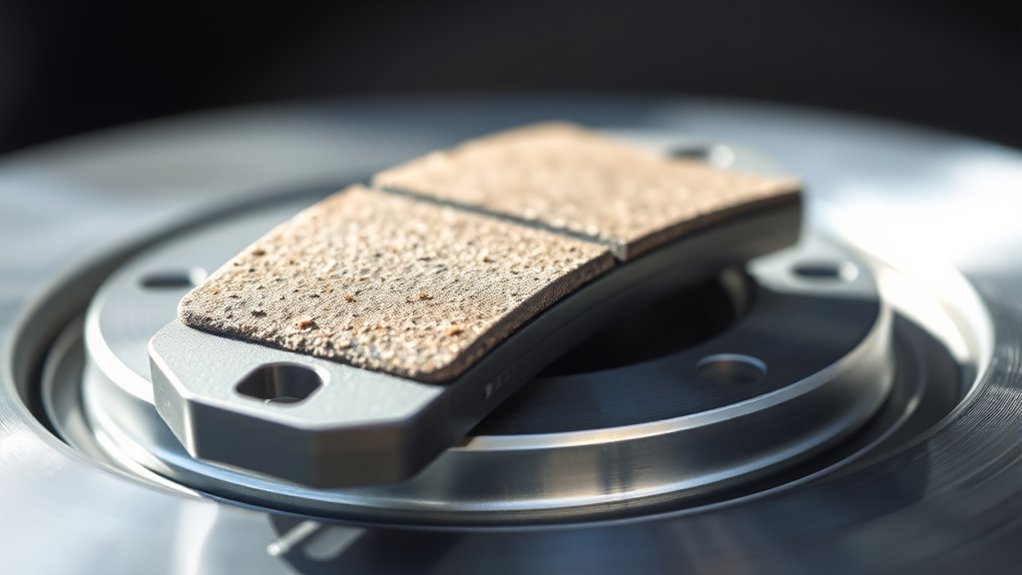
How long can you expect 3mm brake pads to last before they need replacement? Typically, once brake pads reach 3mm thickness, their remaining lifespan is minimal, often just a few hundred miles.
It’s essential to focus specifically on this measurement rather than engaging with irrelevant topics or off-topic ideas that can muddy your understanding. The exact duration depends on driving conditions, vehicle weight, and braking habits, but 3mm indicates you’re at the threshold where performance and safety start declining.
Ignoring this precise indicator in favor of broader, less relevant discussions won’t help you maintain peak braking efficiency. So, monitor pad thickness closely; once it hits 3mm, plan for immediate replacement to avoid sudden brake failure or damage to your rotors.
Why 3mm Brake Pads Could Be a Safety Risk
When your brake pads wear down to 3mm, you face reduced stopping power that compromises your vehicle’s ability to slow effectively. At this thickness, increased brake fade becomes a serious concern, especially during repeated or prolonged braking. Ignoring this wear level markedly raises your risk of accidents due to impaired braking performance.
Reduced Stopping Power
Why does stopping distance increase as brake pads wear down to 3mm? At this thickness, the friction material thins, reducing its ability to generate sufficient grip during extreme braking. You’ll notice brake noise signaling wear, but the crucial effect is diminished stopping power, increasing your risk in emergencies.
| Pad Thickness (mm) | Stopping Distance (m) | Brake Noise Level (dB) |
|---|---|---|
| 8 (New) | 30 | 40 |
| 5 | 33 | 45 |
| 3 | 38 | 55 |
| 2 | 44 | 65 |
| 1 (Critical) | 50+ | 75 |
This table shows how thinner pads significantly raise stopping distances and brake noise, directly affecting your vehicle’s safety.
Increased Brake Fade
As brake pads wear down to 3mm, their reduced thickness not only affects stopping distance but also compromises heat dissipation during braking. This diminished capacity leads to increased brake fade, a condition where the pads overheat and lose friction efficiency.
You might encounter topic drift when researching brake issues; it’s crucial to focus on brake pad wear rather than unrelated mechanics like rotor defects or fluid quality. When your pads are this thin, the material can’t absorb or dissipate heat effectively, causing a rapid temperature rise that degrades braking performance.
Increased brake fade means you’ll notice a softer pedal feel and longer stopping distances under heavy use, directly impacting your safety. Monitoring pad thickness is essential to avoid this critical safety risk.
Higher Accident Risk
How much risk are you willing to take by driving with brake pads worn down to 3mm? This three topic safety discussion highlights why 3mm brake pads pose a higher accident risk.
At this thickness, your braking efficiency diminishes notably, increasing stopping distances and reducing control during emergency braking. Key concerns include:
- Reduced friction material compromises heat dissipation, causing brake fade.
- Increased likelihood of brake failure during heavy or prolonged braking.
- Diminished responsiveness increases the chance of collisions in critical situations.
Ignoring these risks elevates your vulnerability on the road. Maintaining brake pads above the minimum thickness ensures ideal performance and safety.
This safety discussion stresses that driving with 3mm brake pads is not just about wear but directly impacts accident risk. Act proactively to replace pads before they reach this critical threshold.
How Your Driving Habits Affect 3mm Brake Pad Wear
Your driving habits directly influence how quickly 3mm brake pads wear down. Frequent hard braking, stop-and-go city traffic, and constant speed variations accelerate pad deterioration compared to steady highway driving. Understanding these factors helps you predict when your brake pads will need replacement.
Frequent Hard Braking
Why does frequent hard braking accelerate the wear of 3mm brake pads? When you brake hard repeatedly, your brake materials face intense friction and heat, which directly impacts their durability. The thin 3mm thickness leaves less margin for wear, making these pads especially vulnerable.
Here’s how frequent hard braking affects your brake pads:
- Generates excessive heat that degrades pad compounds and reduces lifespan
- Causes rapid material erosion, increasing the risk of pad failure
- Leads to uneven wear patterns, compromising braking efficiency and safety
Understanding these durability concerns helps you adjust your driving habits to extend the functional life of your brake pads while maintaining optimal performance.
City Versus Highway Driving
Frequent hard braking clearly accelerates wear on 3mm brake pads, but the driving environment plays an equally significant role in their longevity. When you drive mostly in the city, stop-and-go traffic demands frequent braking, causing faster pad wear.
Highway driving, by contrast, involves sustained speeds and less braking, extending pad life. Your choice of brake pad materials also impacts durability under these conditions. Semi-metallic pads handle city driving better, while ceramic pads excel on highways.
Here are discussion ideas to consider:
| Driving Environment | Brake Frequency | Pad Material Performance |
|---|---|---|
| City | High | Semi-metallic preferred |
| Highway | Low | Ceramic preferred |
| Mixed | Moderate | Hybrid performance |
| Urban Traffic | Very High | Semi-metallic durable |
| Open Road | Minimal | Ceramic maximizes life |
Impact of Speed Variations
How do speed fluctuations impact the wear rate of 3mm brake pads? Speed variation directly influences the temperature and pressure exerted on brake pads, accelerating wear. Frequent, abrupt speed changes force your brake system to work harder, increasing friction and heat buildup.
This heat affects brake fluid interaction, potentially reducing hydraulic efficiency and causing uneven pad wear. To manage wear effectively, consider these factors:
- Rapid deceleration from high speeds heightens friction, wearing pads faster.
- Consistent speed with gradual braking minimizes excessive heat and prolongs pad life.
- Fluctuating speeds increase brake fluid temperature, risking vapor lock and diminished braking response.
Which Vehicles Wear Out 3mm Brake Pads Faster
Which factors cause some vehicles to wear out 3mm brake pads faster than others? Primarily, vehicle weight and brake system design influence wear affects significantly. Heavier vehicles generate higher kinetic energy, requiring more braking force, which accelerates pad wear.
Additionally, vehicles equipped with performance or sport brake systems often have brake pad materials designed for higher friction but with reduced longevity. Your vehicle’s brake pad metrics, such as pad thickness, surface area, and friction coefficient, directly impact wear rates.
Compact cars with lighter frames and standard braking systems generally preserve 3mm pads longer. In contrast, SUVs, trucks, or cars used for towing stress brake components more, leading to quicker depletion of these pads.
Understanding these metrics helps you anticipate when to inspect or replace your brake pads, ensuring safety and optimal braking performance.
How Road Types and Weather Impact 3mm Brake Pad Life
Vehicle and brake system characteristics play a major role in pad wear, but the conditions you drive in can also impact how quickly 3mm brake pads wear down. Different road types and weather expose your brake pads to unique stressors and side effects that accelerate degradation. For instance:
- Rough or gravel roads increase friction and abrasion, causing faster pad erosion.
- Wet, icy, or salty conditions promote corrosion and reduce braking efficiency, intensifying wear.
- Frequent stop-and-go traffic in urban areas demands constant braking, which heats pads and accelerates material breakdown.
While tech innovations like improved pad materials and anti-corrosion coatings help mitigate these effects, no solution fully eliminates wear from harsh environments. Understanding these factors lets you anticipate brake pad lifespan more accurately under varying driving conditions.
Signs You Need to Replace Your 3mm Brake Pads Now
When should you replace your 3mm brake pads to maintain optimal safety and performance? You need to act immediately if you notice a persistent squealing or grinding noise during braking, as it indicates the pads have worn past the minimum thickness.
Additionally, if your vehicle requires increased stopping distance or the brake pedal feels less responsive, these are clear signs your brake pads are compromised. Visual inspection reveals if the pad material is at or below 3mm, signaling imminent replacement.
Don’t confuse brake wear indicators with an unrelated topic like random brainstorming; this is a critical safety issue. Ignoring these signs risks brake failure and costly repairs.
Prioritize timely replacement to ensure consistent braking efficiency and safety on the road.
Tips to Extend the Life of Your 3mm Brake Pads
How can you maximize the lifespan of your 3mm brake pads without compromising safety? Proper maintenance and mindful driving habits are key. Here are some precise tips to help you extend their life:
Avoid harsh braking: Gradual stops reduce excessive heat and wear on brake pads.
Regularly inspect other vehicle components: For example, promptly fixing a flat tire prevents uneven stress on brakes, while consistent oil changes ensure optimal engine performance, reducing brake load.
Keep your braking system clean: Dirt and debris accelerate pad degradation; routine cleaning prevents buildup.
When and Why You Should Replace 3mm Brake Pads
While maintaining your 3mm brake pads properly can extend their lifespan, knowing the exact point to replace them is essential for safety and performance. When your brake pads reach 3mm wear, it’s time to schedule a replacement.
At this thickness, the pads have minimal material left, reducing braking efficiency and increasing the risk of rotor damage. Ignoring this threshold compromises your vehicle’s stopping power and can lead to costly repairs.
Regular brake maintenance checks help you monitor pad thickness accurately, ensuring timely intervention. Replacing 3mm brake pads promptly preserves optimal brake performance, prevents metal-on-metal contact, and maintains overall vehicle safety.
Don’t wait for warning noises or diminished responsiveness; proactive replacement at 3mm wear is critical for reliable braking function.
Frequently Asked Questions
What Materials Are 3mm Brake Pads Made From?
You’ll find 3mm brake pads made from semi-metallic, ceramic, or organic compounds. These materials optimize wearables braking and align with performance metrics, ensuring precise friction control, heat dissipation, and durability under varied driving conditions.
How Much Do 3mm Brake Pads Typically Cost?
While your budget tightens, 3mm brake pads typically cost between $30 and $70. This price range reflects quality variation. For accurate cost assessment and brake maintenance, focus on two word discussion idea one and two word discussion idea two.
Can 3mm Brake Pads Damage Rotors if Used Too Long?
Yes, if you use 3mm brake pads too long, the hard brake material can cause rotor damage. The metal backing may contact and score the rotor surface, leading to costly repairs and compromised braking performance.
Are 3mm Brake Pads Compatible With All Brake Systems?
You won’t find 3mm brake pads compatible with every system, they’re not magic! Compatibility myths cause costly installation pitfalls. Always check your brake system’s specifications precisely to ensure proper fit, performance, and safety before installing these pads.
How Do 3mm Brake Pads Compare to Thicker Pads in Performance?
You’ll notice 3mm pads offer reduced longevity and increase braking fade risk compared to thicker pads. Their minimal thickness heats faster, lowering performance under stress.
They require more frequent replacements for consistent, safe braking.
Conclusion
If your 3mm brake pads remind you of a delivery driver’s daily 50-mile route through city traffic, you know they won’t last long—often just a few hundred miles. Don’t risk safety; worn pads reduce stopping power markedly. Keep an eye on wear indicators and replace pads promptly.
Adapting your driving habits and maintaining your brakes can extend their life, but once they hit 3mm, it’s time to act. To guarantee reliable braking performance, understanding how long 3mm brake pads last is essential.