What Does Coolant Smell Like
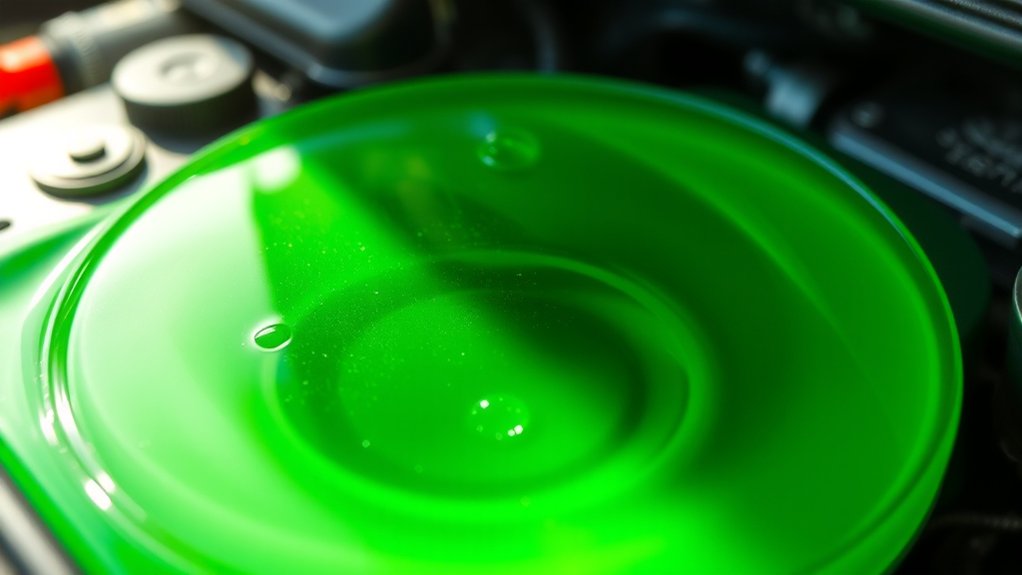
You’ll recognize coolant by its distinctive sweet smell, caused mainly by ethylene glycol or propylene glycol in its formula. This sweet scent serves as a clear indicator of leaks or spills, signaling potential engine issues like overheating or fluid contamination. Detecting it early helps protect your engine and avoid costly repairs.
The strength and character of the odor can change due to temperature and chemical breakdown. Understanding this can help you spot problems before they worsen. Paying attention to the smell of coolant can be an important step in maintaining your vehicle’s health.
What Does Coolant Smell Like and Why Is It Sweet?
How can you identify coolant by its smell? The distinctive coolant odor typically presents as a sweet scent, primarily due to ethylene glycol or propylene glycol, the main ingredients in most antifreeze formulations.
These glycols emit a characteristic sweet aroma that’s easily distinguishable from other automotive fluids. When you detect this coolant odor, it often indicates a leak or spill.
The sweet scent is not accidental but a result of the specific chemical composition designed to prevent freezing and overheating in engines. Recognizing this scent allows you to pinpoint coolant presence quickly, even if you can’t see the fluid.
Be aware that while the sweet scent helps identify coolant, it also signifies toxicity, so avoid prolonged inhalation or contact.
Why Identify Coolant Smell Early?
Detecting the sweet smell of coolant early can prevent significant engine damage and costly repairs. When you catch this odor promptly, you act before minor issues escalate. Here are three critical reasons why early identification matters:
- Prevent overheating: Early detection helps maintain proper engine temperature, avoiding overheating that can warp engine components.
- Avoid contamination: Identifying leaks early stops coolant from mixing with oil or other fluids, which can degrade engine performance.
- Reduce repair costs: The sooner you address coolant issues, the less extensive and expensive repairs become.
Idea one is that recognizing this smell alerts you to potential system failures before they worsen. Idea two emphasizes how early action preserves engine integrity and efficiency. Don’t ignore that sweet scent; it’s your vehicle’s warning signal.
How to Recognize Coolant Leaks by Smell
Why does your car sometimes emit a sweet, syrupy scent? This distinct coolant odor usually signals a leak. Recognizing coolant leaks by smell is a critical step in leak detection.
A sweet, syrupy scent from your car often signals a critical coolant leak to detect early.
When coolant escapes from hoses, the radiator, or the reservoir, it vaporizes and produces this characteristic scent. If you notice this odor inside or around your vehicle, it indicates a possible breach in the cooling system.
Early detection through smell allows you to pinpoint leaks before they cause engine overheating or damage. Pay attention to persistent sweet smells after driving or when the engine is hot.
Combining your sense of smell with visual inspections under the hood enhances your ability to identify coolant leaks accurately and maintain your vehicle’s reliability.
What to Do If You Smell Coolant Around Your Car?
When you notice the distinct sweet smell of coolant around your car, don’t ignore it. Prompt action is essential for safety and vehicle performance. Here’s how to proceed with coolant odor troubleshooting:
1. Inspect for visible leaks
Check under the car and around the engine bay for puddles or damp spots. Use leak detection tips like shining a flashlight on hoses, radiator, and water pump seals.
2. Monitor coolant levels
Low levels in the reservoir or radiator often confirm a leak. Refill as needed but avoid driving extensively until the issue is fixed.
3. Seek professional diagnostics
If you can’t locate the source, have a mechanic perform pressure testing to identify hidden leaks or faulty components.
Following these steps helps prevent further damage and ensures your cooling system operates safely.
How Coolant Smell Relates to Engine Overheating
How does the smell of coolant signal that your engine might be overheating? When your engine overheats, coolant can leak or evaporate due to excessive heat, releasing a sweet, pungent odor. This smell is an early warning of compromised coolant safety, indicating potential damage to the cooling system or gasket failure.
Ignoring this can worsen engine overheating and cause costly repairs.
| Symptom | Cause | Action Needed |
|---|---|---|
| Sweet coolant smell | Coolant leak or evaporation | Check hoses, radiator, caps |
| Steam or vapor smell | Coolant boiling | Stop engine immediately |
| Persistent overheating | Cooling system failure | Inspect water pump, thermostat |
Recognizing these signs helps you maintain coolant safety and prevent engine overheating effectively.
Why Does Coolant Sometimes Smell Stronger or Different?
What causes the intensity or character of coolant smell to change? Several factors impact how you perceive coolant odors, often creating diagnostic challenges. Here are three key reasons:
- Degradation of additives: Over time, coolant chemicals break down, altering its scent and sometimes producing misleading fragrances that mask the original smell.
- Contamination: Mixing with engine oil, fuel, or rust particles can intensify or modify the smell, complicating accurate identification.
- Temperature variations: Higher temperatures accelerate chemical reactions within the coolant, changing its volatility and making the odor stronger or different.
Understanding these factors helps you interpret coolant smells more accurately, avoiding misdiagnoses caused by misleading fragrances or fluctuating odor intensity.
Common Coolant Smell Mix-Ups and What They Mean
Why do some coolant smells get mistaken for other automotive odors? It’s mainly due to overlapping chemical components and environmental factors affecting odor perception. For example, coolant odor differences can resemble burning oil or antifreeze vapors, making it tricky to identify the exact source.
When identifying coolant sources, you must consider the smell’s context and characteristics. Ethylene glycol-based coolants often emit a sweet, syrupy scent, while propylene glycol variants smell less pungent.
Sometimes, a burning rubber smell might be confused with leaking coolant hitting hot engine parts. Accurately distinguishing these odors helps diagnose leaks or overheating issues early.
How to Prevent Coolant Leaks and Unusual Coolant Smells
You should perform regular coolant inspections to catch leaks early and avoid unusual smells. Maintaining the cooling system properly, including checking hoses, clamps, and the radiator, helps ensure optimal performance. Consistent upkeep prevents coolant degradation and system failures that cause odor issues.
Regular Coolant Inspections
How often you inspect your vehicle’s cooling system directly impacts its performance and longevity. Regular coolant inspections help detect issues before they escalate, ensuring optimal coolant composition and preventing leaks or unusual odors. Follow these steps during your inspection:
- Check Coolant Level and Color: Low levels or discoloration may indicate contamination or leaks.
- Inspect Hoses and Connections: Look for cracks, bulges, or loose clamps that could cause leaks.
- Examine Radiator and Reservoir: Ensure no corrosion, sediment buildup, or damage affects coolant flow.
Incorporating these checks into your maintenance routines allows you to identify early signs of coolant degradation or system faults. Staying proactive helps maintain the efficiency of your cooling system, prevents overheating, and avoids the distinct, unpleasant smell associated with coolant leaks.
Proper Cooling System Maintenance
Regular inspections set the foundation for effective cooling system maintenance by identifying vulnerabilities early on. To prevent coolant leaks and unusual smells, monitor coolant chemistry and maintain optimal engine cooling.
Use manufacturer-recommended coolant and replace it per schedule to avoid degradation that causes odors and leaks.
| Maintenance Task | Frequency | Key Focus |
|---|---|---|
| Coolant Level Check | Weekly | Prevent low coolant risks |
| Coolant Chemistry Test | Every 12 months | Ensure corrosion inhibitors |
| Hose & Radiator Check | Every 6 months | Detect cracks or leaks |
Following these steps maintains system integrity, preventing leaks and odd coolant smells. Proper coolant chemistry and regular inspections keep your engine cooling system efficient and odor-free.
Frequently Asked Questions
Is Coolant Toxic to Pets and Humans?
Yes, coolant is toxic to pets and humans. You must avoid toxic exposure by promptly detecting its distinct odor, as even small amounts can cause serious health issues through ingestion or inhalation.
Always handle it carefully.
How Often Should Coolant Be Replaced?
You should replace coolant every 2 to 5 years or 30,000 to 60,000 miles, depending on your vehicle.
Monitor coolant odor for abnormalities, as a sweet or rotten smell can indicate the need for earlier replacement.
Can Coolant Smell Indicate Other Car Problems?
You might notice coolant odor implications signaling more than just a simple leak. Diagnostic scent cues can reveal overheating or gasket issues, so if you detect unusual smells, don’t ignore them. Your car’s health depends on prompt attention.
What Types of Coolant Are Safest for My Car?
You should choose safe coolant with pet friendly formulations and environmentally safe ingredients to protect your car and surroundings. Prioritize options offering optimal heat transfer efficiency, ensuring your engine runs cooler and lasts longer without harmful side effects.
Does Coolant Smell Change With Temperature Variations?
Yes, you’ll notice coolant aroma intensifies as temperature rises due to increased vaporization. Temperature effects cause chemical compounds in the coolant to release stronger odors, making the smell more pronounced when the engine’s hot versus cold.